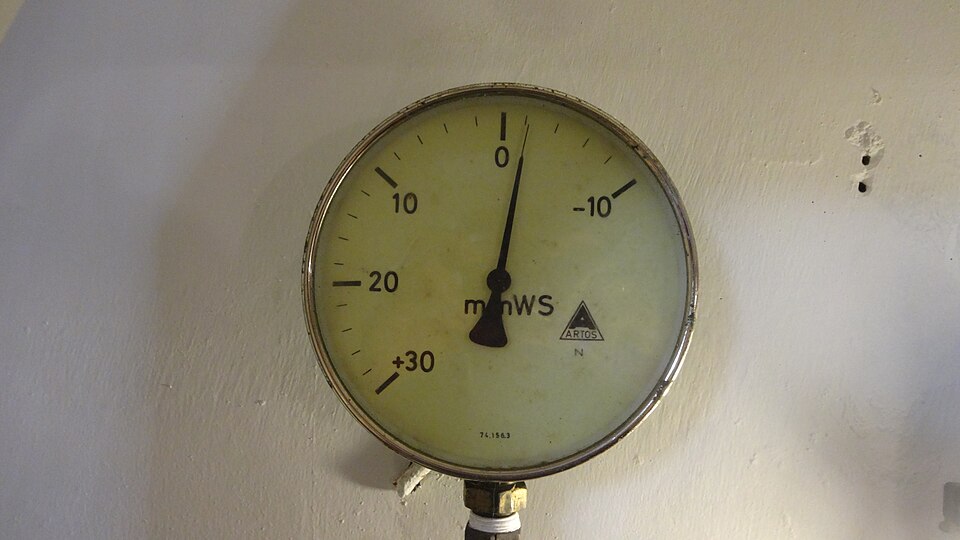
Analog gauge inspection
The camera finds each dial on the route and turns its needle into a number with a time.
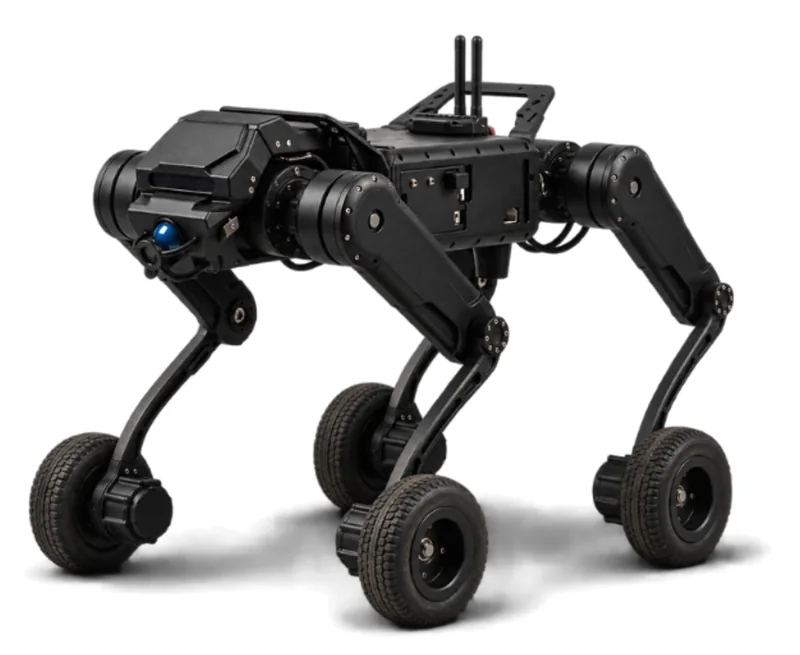
Strider NavSense maps your plant once, then walks any quadruped robot through scheduled rounds to read gauges, find thermal hotspots and sense gas.
Built in Bengaluru by a StochLab spin-off from IISc, incubated at ARTPARK.
Click a point on the site map and pick what to inspect. NavSense plans the route, steers around obstacles and writes each result to a digitized log.
See how a site goes live1 · Steam header gauge
In rangeThe robot walks your plant one time. That walk becomes the map every later mission runs on, so deployment is quick.

Pick the gauges, panels and valves to check. NavSense routes between them and avoids obstacles on the way.
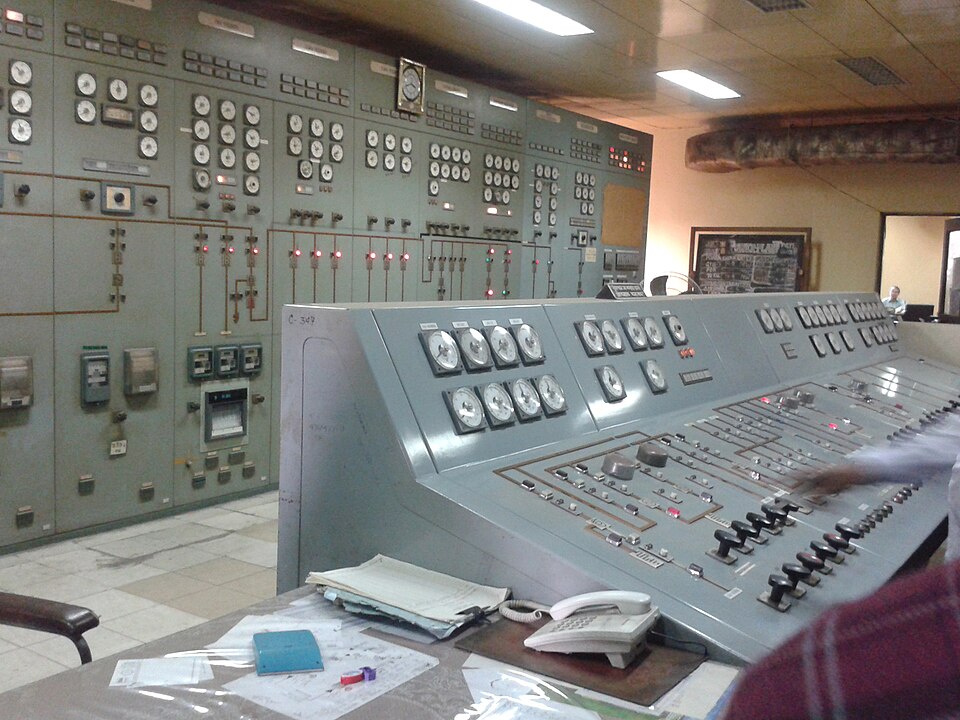
Set missions by shift or by day. Inspections run more often, and every reading lands in a log you can chart.

The camera finds each dial on the route and turns its needle into a number with a time.
Motors, bearings and cable joints above their limit are flagged on the site map.
A gas reading at every stop on the route, logged against the place it was taken.
Each valve on the list is read as open or closed and compared with the last round.
Also on every round: acoustic inspection, digital panel reading, OCR of tags and nameplates, change detection and 360 degree site capture.
NavSense is compatible with any quadruped, so you keep the robot you have and add inspection to it. It is made for these industries:
One kit mounts on the robot and carries the sensors and compute that NavSense runs on.
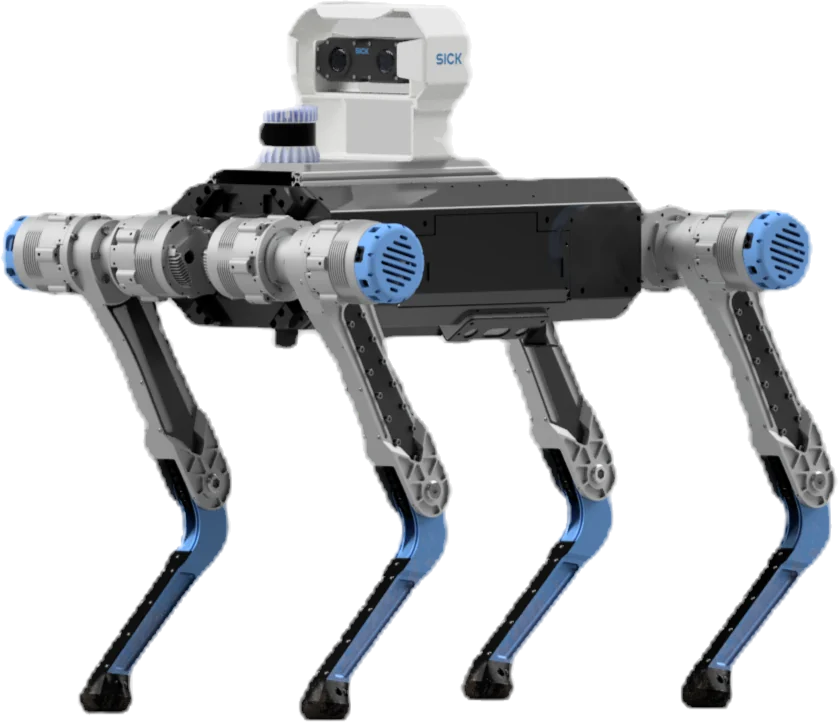
Strider Robotics is a spin-off of StochLab, Centre for Cyber-Physical Systems, Indian Institute of Science. NavSense comes from six generations of our quadrupeds.
Incubated at IISc ARTPARK, supported by the bodies shown here.
See Strider Indus




Yes. Strider NavSense is compatible with any quadruped robot, so it runs on the robot you choose.
Gauges, thermal hotspots, gas, sound, valve positions, digital panels, text by OCR, changes on site and 360 degree site captures.
The NavSense kit: a Livox Mid-360 LiDAR, an Intel RealSense D456 depth camera and an NVIDIA Jetson AGX Orin with 64 GB. GPS is optional.
With one time mapping. The robot walks the site once, and every later mission runs on that map.
In the Orchestrator: mark points with Click and Inspect, then set scheduled missions. Results go to a digitized log with analytics.